



 Book an appointment
 6 samples for $9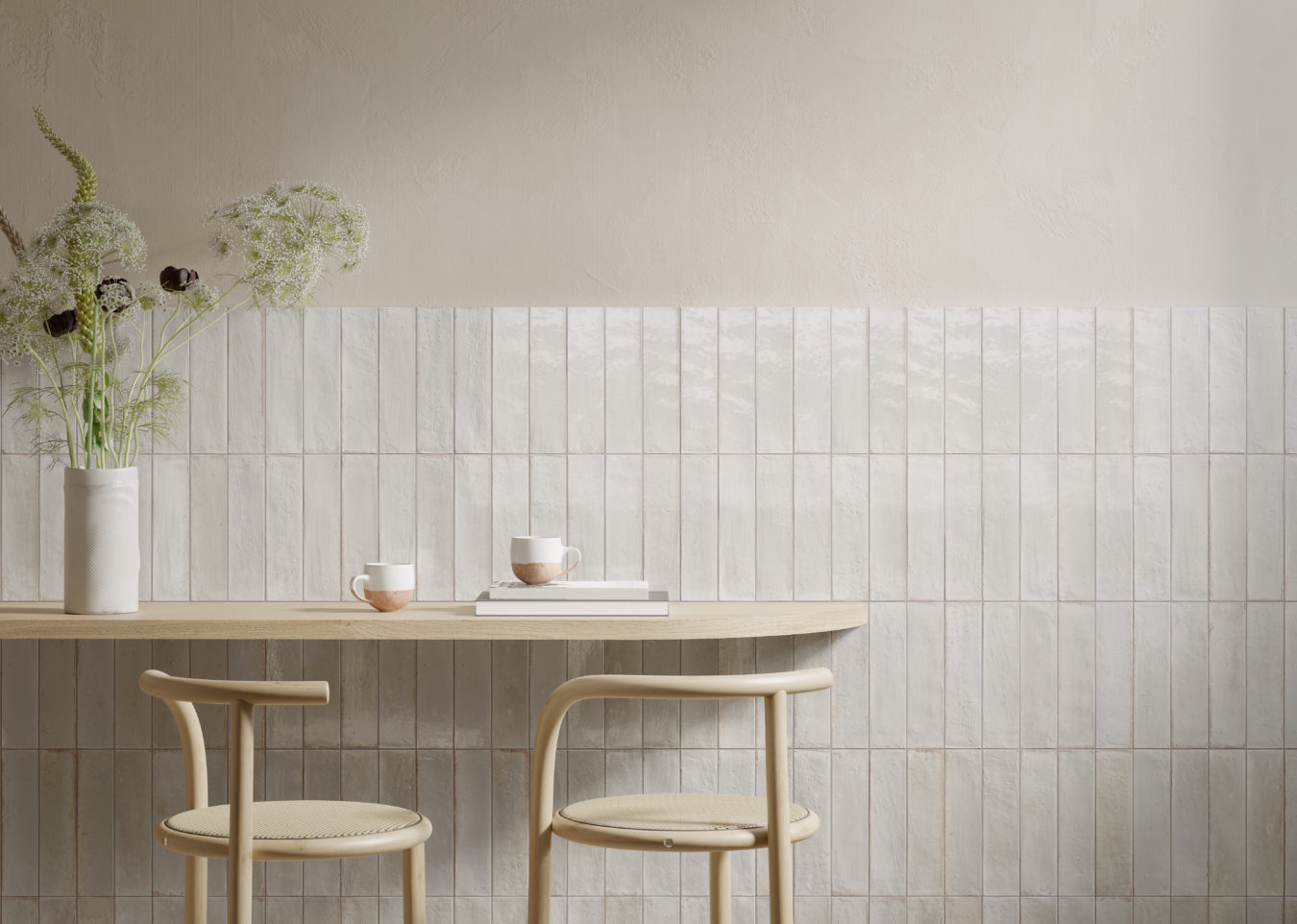
Since first appearing in New York’s underground train stations in the 1900s, the classic subway tile has established itself as one of the most popular interior design choices for households worldwide. While it was typically left to horizontal arrangements, it has now taken on new appeal in unique patterns that experiment with colour, shape, texture, and size.
In celebration of the classic white subway tile and its renewed popularity, here are five creative subway tile patterns you can use to add a splash of personality to your bathroom and kitchen.
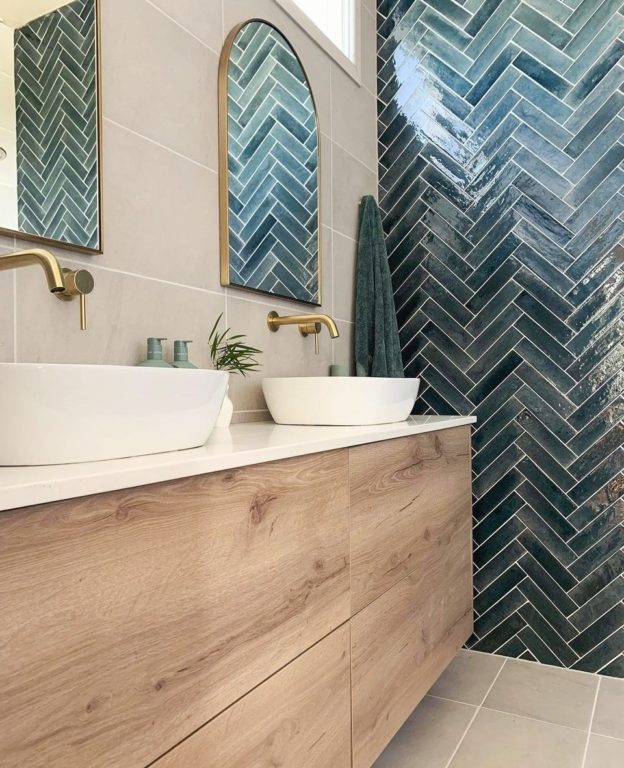
1. Herringbone subway tile patterns
While the classic running bond layout remains a beloved classic tile design, herringbone subway tiling has emerged as a sophisticated and contemporary alternative. With its distinctive 90-degree zigzag alignment, it creates a sense of movement that naturally draws the eye across surfaces, which is ideal for elongating tall bathroom walls or guiding the flow across a tiled floor. For an even bolder statement, consider melding herringbone styles with a horizontal subway pattern across a splashback or turning its placement to a 45-degree angle.
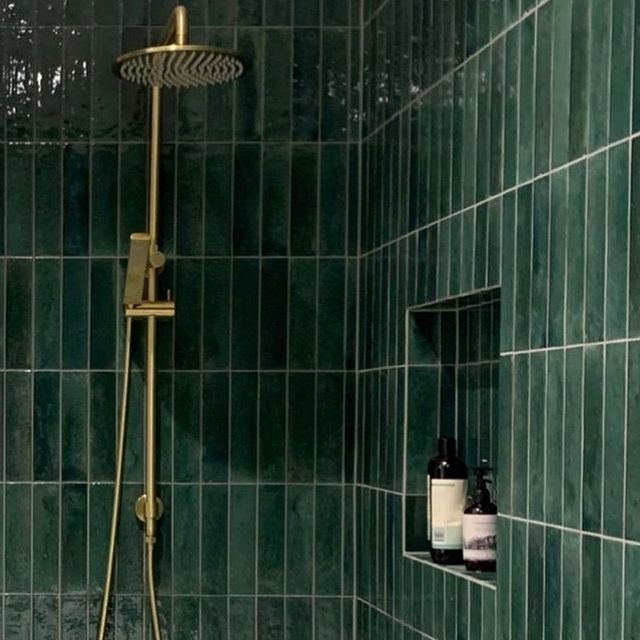
2. Vertical Stack subway tile patterns
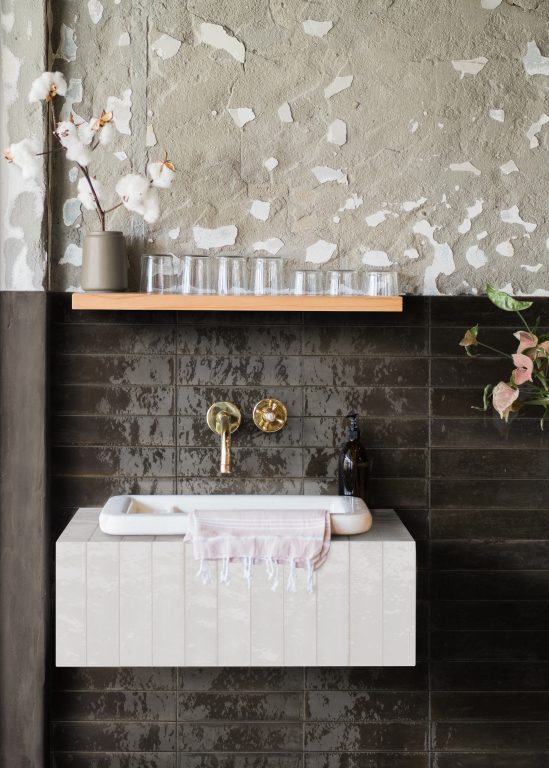
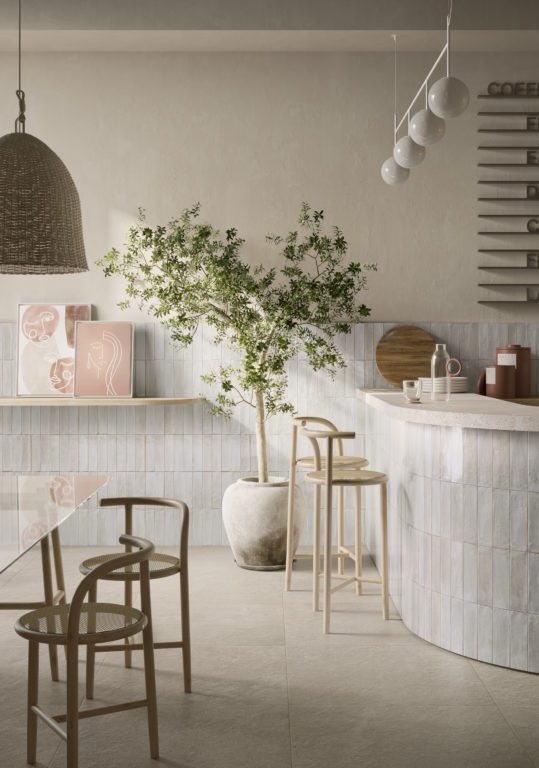
As one of the more trendy ways to lay subway tiles at the moment, choosing to canvas your kitchen or bathroom with either a stack or offset vertical subway tile pattern is a surefire way to bring modern appeal into your home. Its uniform arrangement and sleek lines offer a clean, refined look to walls and splashbacks. They can also be embellished with contrasting grout to champion a bolder aesthetic. Otherwise, incorporating the slightly off-centred rows of an offset pattern is a great way to add more geometric variety to this contemporary look and a sense of texture to your interiors.
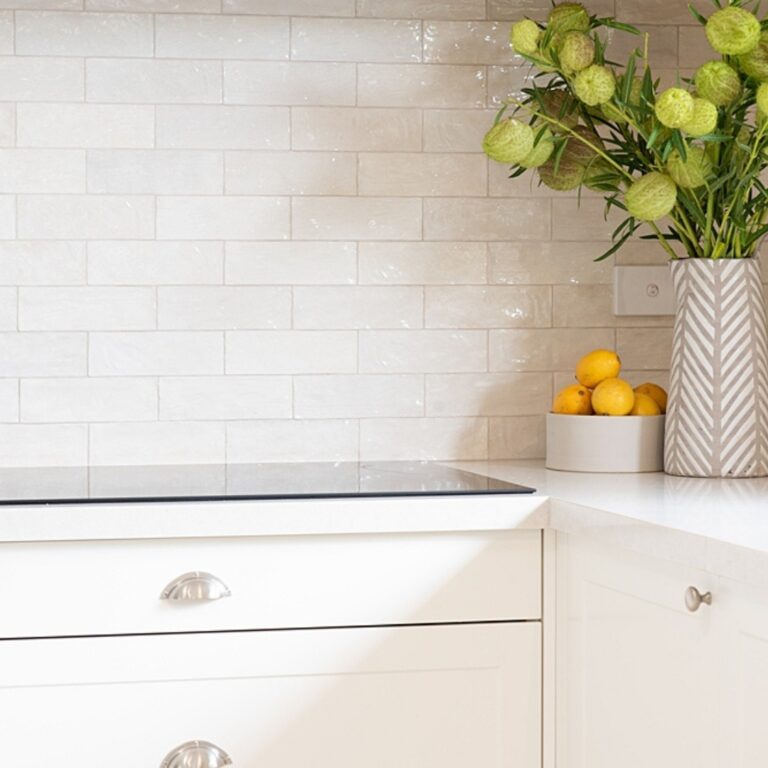
3. Offset brick subway tile patterns
Also known as the brick bond layout, it staggers each row of tiles so that the edge of each face aligns with the centre of the tile above. Its symmetrical, alternating design is reminiscent of traditional brickwork, which helps soften the look of rooms with multiple hard edges and leans into an industrial aesthetic, especially when paired with dark-coloured grout. While offset layouts are versatile enough for any room in the house, this subway tile pattern truly shines when used to create a feature wall and a focal point in the room.
4. Horizontal stack subway tile patterns
This horizontal subway pattern stacks tiles to form an ascending, step ladder-like arrangement, adding a crisp, clean-cut look that draws the eye upwards to make the most of tall ceilings and open-plan spaces. Its uniform simplicity allows you to play with scale, offering an easy way to utilise subway tiles in kitchens, cladding shower recesses or creating pony walls or as floor tiles in narrow hallways.
5. Chevron subway tile patterns
If classical arrangements don’t cut it, chevron subway tile patterns should be on your radar. While it’s often confused with herringbone layouts, chevron patterns use tiles that are cut on an angle to form a continuous V-shaped pattern. The result is a seamless zigzag that introduces architectural symmetry to walls and floors. Simply opt for neutral tones and matt finishes, and you can easily integrate subway tiles in bathrooms, splashbacks and feature walls where a more structured and modern aesthetic is desired without overwhelming the space.
Discover more subway tile patterns
With a broad array of arrangements, there is no end to what you can achieve in creating an interior that feels uniquely yours. While you’ve reviewed our five favourite layouts, consider the following subway tile patterns as well:
- Basket Weave
- Double Basket Weave
- Brick bond
- 45-degree brick bond
- Running Bond
- Crosshatch
- Diagonal Herringbone
- Double Herringbone
- Stacked (Horizontal)
- Stacked (Vertical)
- Step ladder
- Stepped Offset
Alternatively, you can integrate your subway tiling with other shapes to create different types of layouts, such as pinwheel patterns. By spending more time planning your design, you can make your floor tiles and wall cladding one of the stand-out features of your interior.
Beyond the tile pattern
It’s important to remember that transforming your bathroom or kitchen into a space of beauty and appeal is just as much about colour, grout, tile size and texture choices as it is about the overall pattern. While the white ceramic rectangle has been the long-loved favourite, opting for more textured surfaces and colourful solid or even neutral hues can help you capitalise on a whole range of styles, from organic to luxurious. Alternatively, a dash of colour can work equally as well when confined to the spaces in between according to architect Tim Wilkinson:
“Colourful grout continues to trend and by adding a splash of colour around your subway tiles, you can actually highlight them as a feature of the room. For simple white tiles, try a bolder black grout around them”.
How to choose the right subway tile pattern for your home
Selecting subway tiling that seamlessly integrates into your interiors depends on more than just aesthetics — it’s about how the layout interacts with your space, lighting, and decor. Each pattern creates a different visual effect, so understanding how it relates to the various elements in the room ensures it stands out for all the right reasons.
1. Match the scale of your tile and pattern to the size of the room
Start by considering the room’s size and orientation. Vertical stack and herringbone subway patterns can help elongate walls or draw the eye upward, making small bathrooms feel taller or narrow kitchens appear wider. In contrast, offset or horizontal layouts are ideal for softening hard edges and making your interior feel more welcoming.
2. Align your room and subway tile’s design
Next, think about the style of your interiors. Structured arrangements like classic brick bond suit traditional and industrial themes, while bolder or ‘busy’ layouts, such as chevron or vertical stack patterns, work well in modern, minimalist environments.
3. Choose how you will ‘finish’ your space
Finally, material and finish matter just as much as the layout. Gloss tiles reflect light, making your room brighter and creating the feeling of space, while matt textures offer a more understated, tactile appeal. Complete the look by deciding on the colour of your grout with either matching or contrasting tones to help define the pattern, or let it blend seamlessly into your furnishings.
Design the perfect subway tile pattern with Elegance Tiles
Many people are surprised to learn that subway tiles can be laid in a wide variety of patterns, far beyond the traditional straight lines. While certain layouts remain a classic for good reason, don’t shy away from the less conventional. These alternatives allow you to furnish kitchens, bathrooms, laundries, and even the splashbacks of outdoor kitchens with cladding that feels distinct and personal.
Ready to elevate your decor? Explore the entire range online or visit your closest showroom to find an enduring subway floor or wall tile that seamlessly integrates into your home.


