

 Book an appointment
 6 samples for $9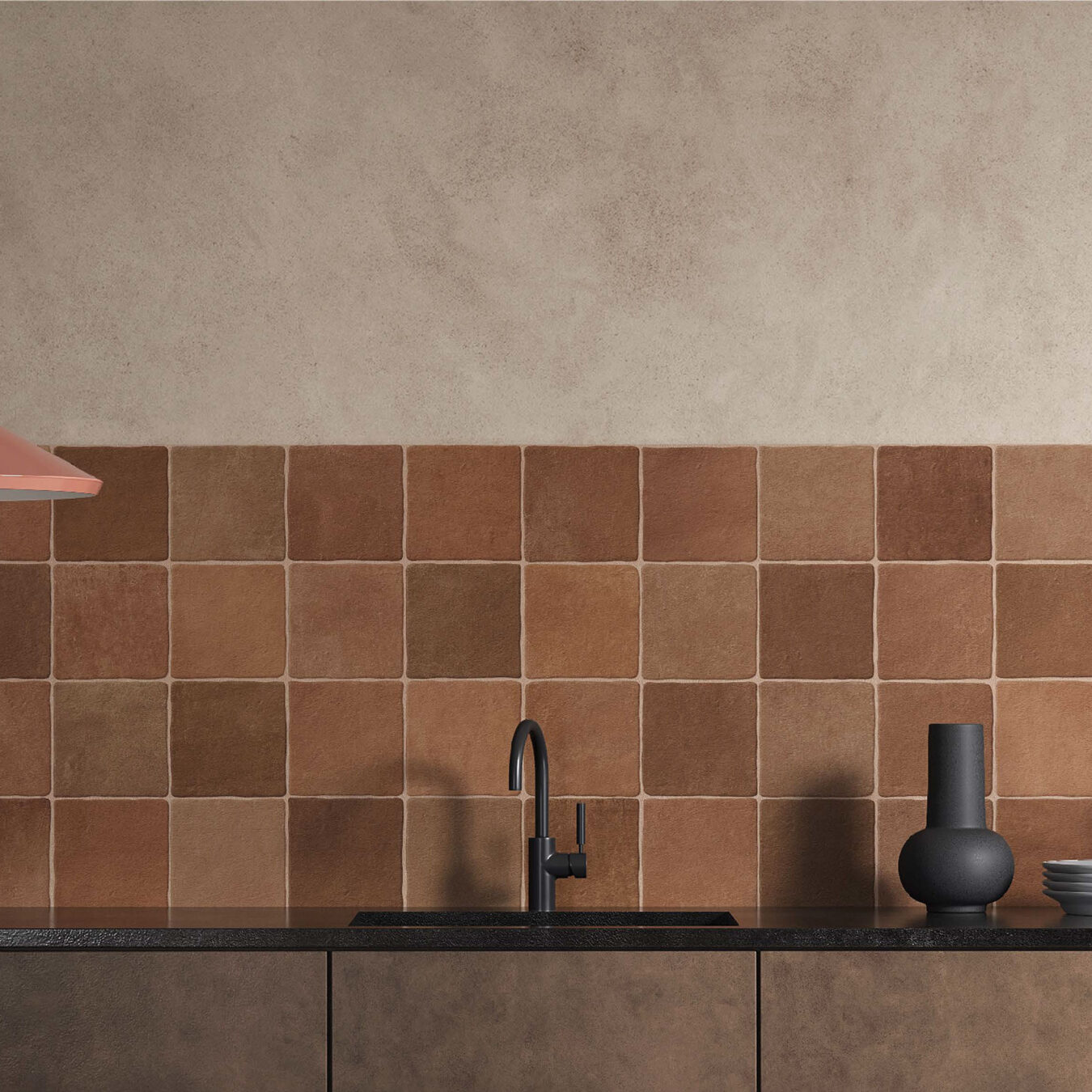
Who would have thought choosing tiles for your kitchen splashback could be so challenging — it’s one of the smallest areas of your home after all! But, although it takes up minimal space, it has the potential to create maximum impact. It’s not just a functional element to protect your walls from splatters and spills — kitchen tile splashbacks have the potential to set the tone for your entire space.
So, rather than sweating it over colours and materials, use this handy guide to help steer you toward your perfect splashback tile!
1. Consider your style
A great starting point when choosing your kitchen splashback tiles should be the overall style of your kitchen. If you’re building new or trying to update the look of your home, it’s not unusual to be attracted to a few interior styles but it’s best to narrow it down.
For example, decide on a broad theme, such as Scandinavian, modern or coastal. Then use splashback tiles to help tie your kitchen design and colour scheme together. Subway tiles are a great all-rounder for many kitchen styles, while a beautiful pop of colour can really make a minimalist space come to life. We’d highly recommend our new Contemporary Matt range for this look, available in eight stunning and subtle hues.
Also, don’t forget to take a step back throughout the tile selection process. Rather than honing in solely on the colour, consider how your choice ties into the entire design of your kitchen, especially when pairing with benchtops and cabinetry. This is one of the most overlooked aspects when people ask, how to choose a splashback that truly works cohesively.
2. Picking the right material
Some of the best kitchen splashback tile ideas to explore are choosing your type of materials. From influencing the design of your interior to determining how easily it will be to maintain, your choice of porcelain, ceramic, or glass backsplash plays a huge role in how your kitchen functions.
There are even more reasons why tiles make the best kitchen splashbacks — they help ensure your kitchen remains compliant with Australian building standards. If the substrate is made from laminate, plasterboard, or timber and is within 200mm of a burner, a non-combustible material, like tiles, becomes a stylish, practical and heat-safe solution.
While ceramic and porcelain are utilised for their durability and resilience to heat, fading, water and wear-and-tear, you still have complete freedom to experiment with materials. Our expansive collection includes stone, marble, travertine and timber-look choices that allow you to incorporate their elegant textures and finishes while still enjoying the heavy-duty construction of traditional tiles.
3. Size up for the perfect fit
From tiny mosaics to subway tiles and quirky fish scale shapes, there’s no shortage of tile sizes and styles to choose from. While standard kitchen splashbacks sit at around 600 millimetres high, it’s important to consider your space before locking anything in. The number of tile faces that work might change depending on whether you’ve opted for a custom kitchen or have a layout with extra features that need a bit more thought.
What to consider when choosing between mosaic, small, medium and large format backsplash tiles:
- Large-format tiles are defined as slabs that measure more than 600 mm in length on one side. With broader tile faces, large format tiles minimising the number of joints and grout lines needed, creating a sleek surface and a wider vantage point to showcase the delicate or bold details in your tile choice.
They may be the best tiles for kitchen splashbacks if you’re looking to exaggerate the sense of scale in a sizeable kitchen or to create the illusion of more space in straight and galley kitchens.
- Medium-format tiles strike a balance between expansive and compact tile faces. With edges typically ranging from 300 to 600 mm, they offer ample surface area to showcase your wall cladding’s colour and finish, while keeping to a structured pattern and fewer grout lines than more intricate options.
- Small-format tiles feature edges up to 300 millimetres in length. Their frequent grout lines create a tactile surface that enhances the look of grid-style layouts or repeating patterns. Thanks to their scale, they’re also one of the easiest options for exploring whether you can put a new splashback into an old kitchen.
- Mosaic tiles are small tiles, like tesserae or zellige (Moroccan) tiles, that individually range in size up to 50mm, or are arranged on a mesh sheet. If you’re looking for ideas for kitchen tiles and splashbacks that capture intricate details, colours and shapes, mosaic tiles are ideal.
4. Shape up to define your interior style
Whether you’re drawn to classic subway tiles, clean-lined squares, or something more adventurous like hexagons, scallops, or arabesque designs, the shape of your kitchen splashback tiles plays a key role in your design. It helps bring your choice of colour, finish and material together to embody your inspiration. The most common shapes you should experiment with include:
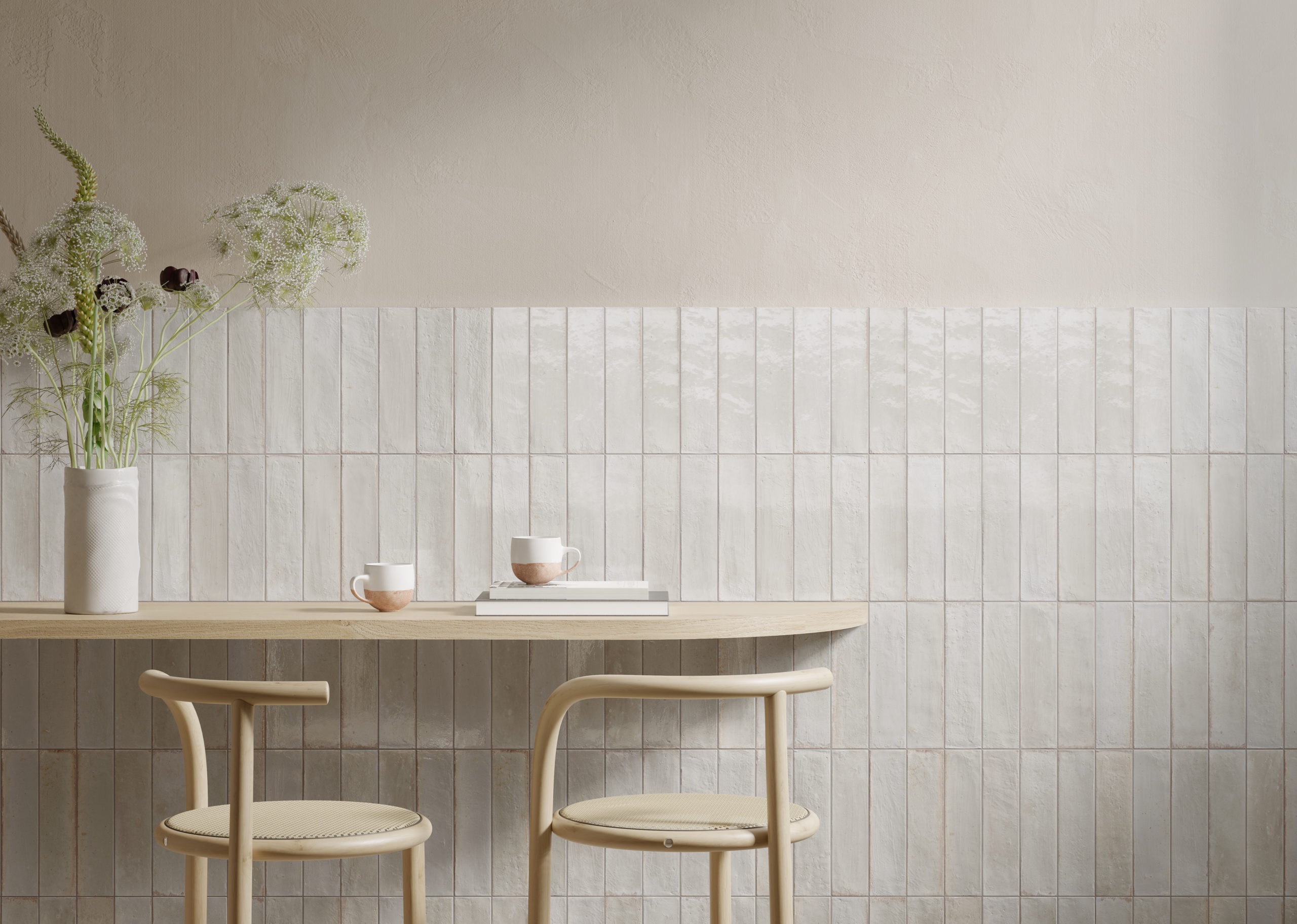
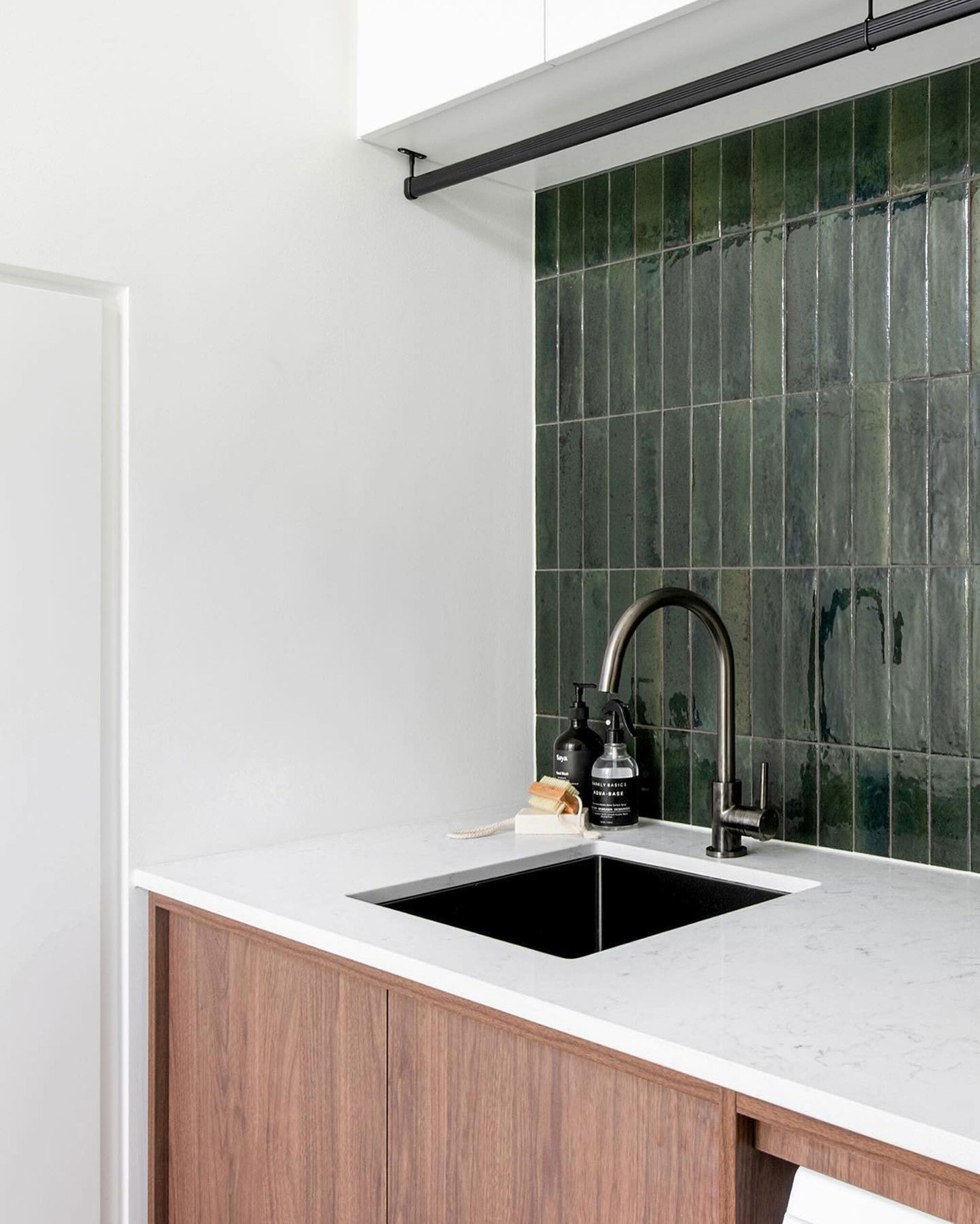
- Subway: From heritage homes to modern new builds, subway tiles are a timeless, versatile choice. Despite their conventional, narrow, and long rectangular build, they can be arranged into various patterns, including classic brick, vertical stack, or herringbone, helping you widen your wall, add height, or experiment with geometric designs.
- Square: Offering a balanced, symmetrical look that works well in minimalist and classic motifs, square tiles are ideal for spaces where simplicity and structure are paramount.
- Rectangle: Ideal for visually stretching your space, horizontally or vertically, rectangular tiles are perfect for adding strong lines and structure to your kitchen splashback, particularly with a cleaner look than square or smaller tile formats.
- Abstract and other shapes: Typically offered in a collection of shapes that interlock and complement each other, abstract shapes are the best tiles for a kitchen splashback that serves as the focal point of the room. From 3D to hexagonal and cross shapes, among others, they’re ideal for adding a sense of texture and movement and making your grout choice part of the aesthetic.
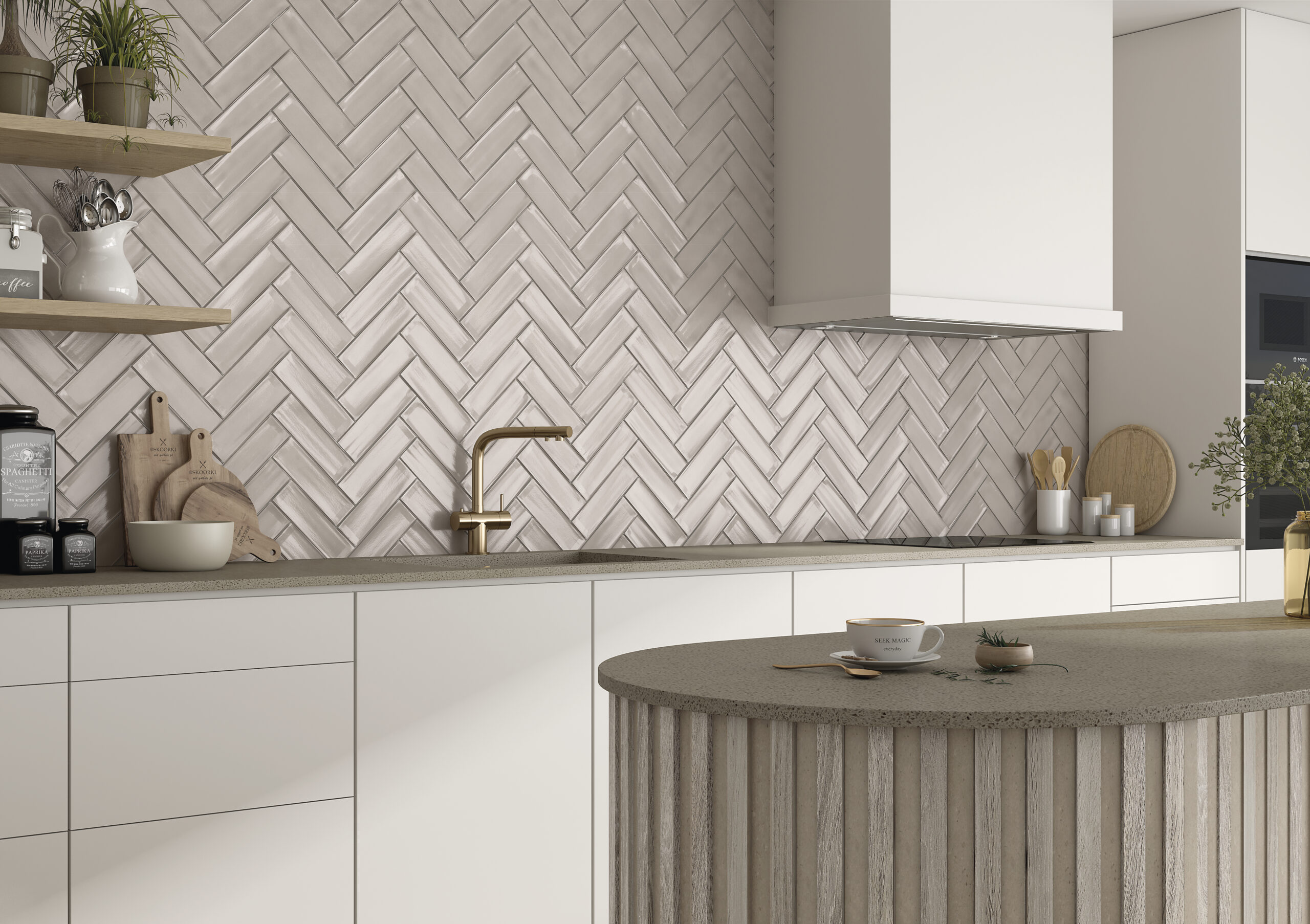
5. Getting the colour right
Splashbacks are an area where people choose to use colour to add interest – especially when other elements are neutral. But, ask yourself: do you want the splashback to be the hero? Or would you prefer it to act as a subtle backdrop to another element of your kitchen design, like the benchtop?
If you want to make a statement, there are a huge variety of tiles to choose from in brighter pops of colour or more pastel hues depending on your style. Selecting a colour that contrasts with those in the rest of the kitchen will create a striking impact. And that’s not to say it has to be dramatic! If your cabinetry and benchtop are all white,you could opt for a tranquil grey or blue to create a stunning coastal feel. Alternatively, choose a colour that is similar to the other elements in the space for a subtler look that will elevate the main feature.
Think about the mood you want to create. Cool tones like soft pinks and muted greens evoke calm and freshness, while warmer tones like ochre, clay, or blush add cosiness and vibrancy. High-gloss finishes reflect more light and can make darker colours feel brighter, while matte surfaces give a softer, more understated look.
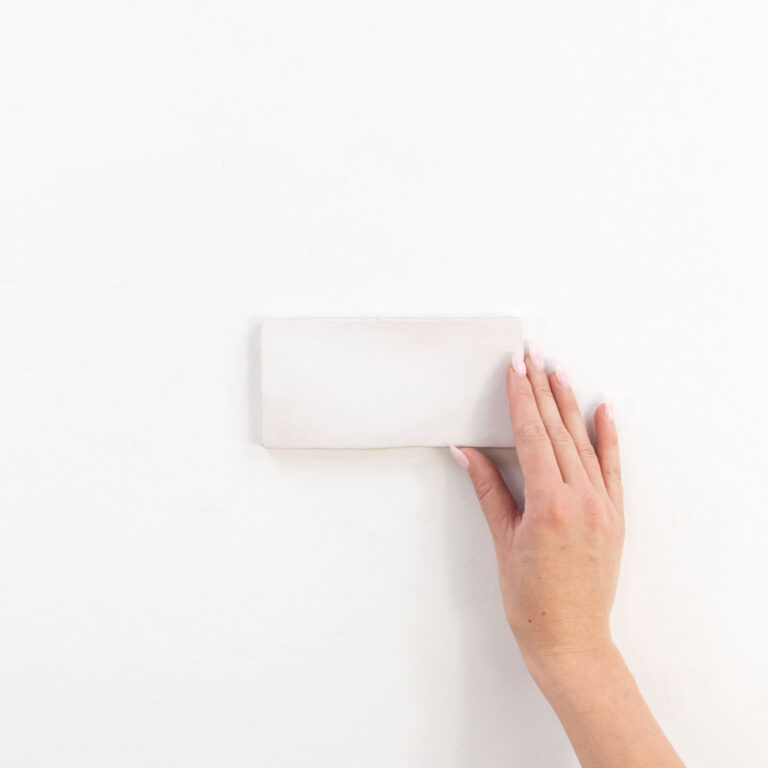
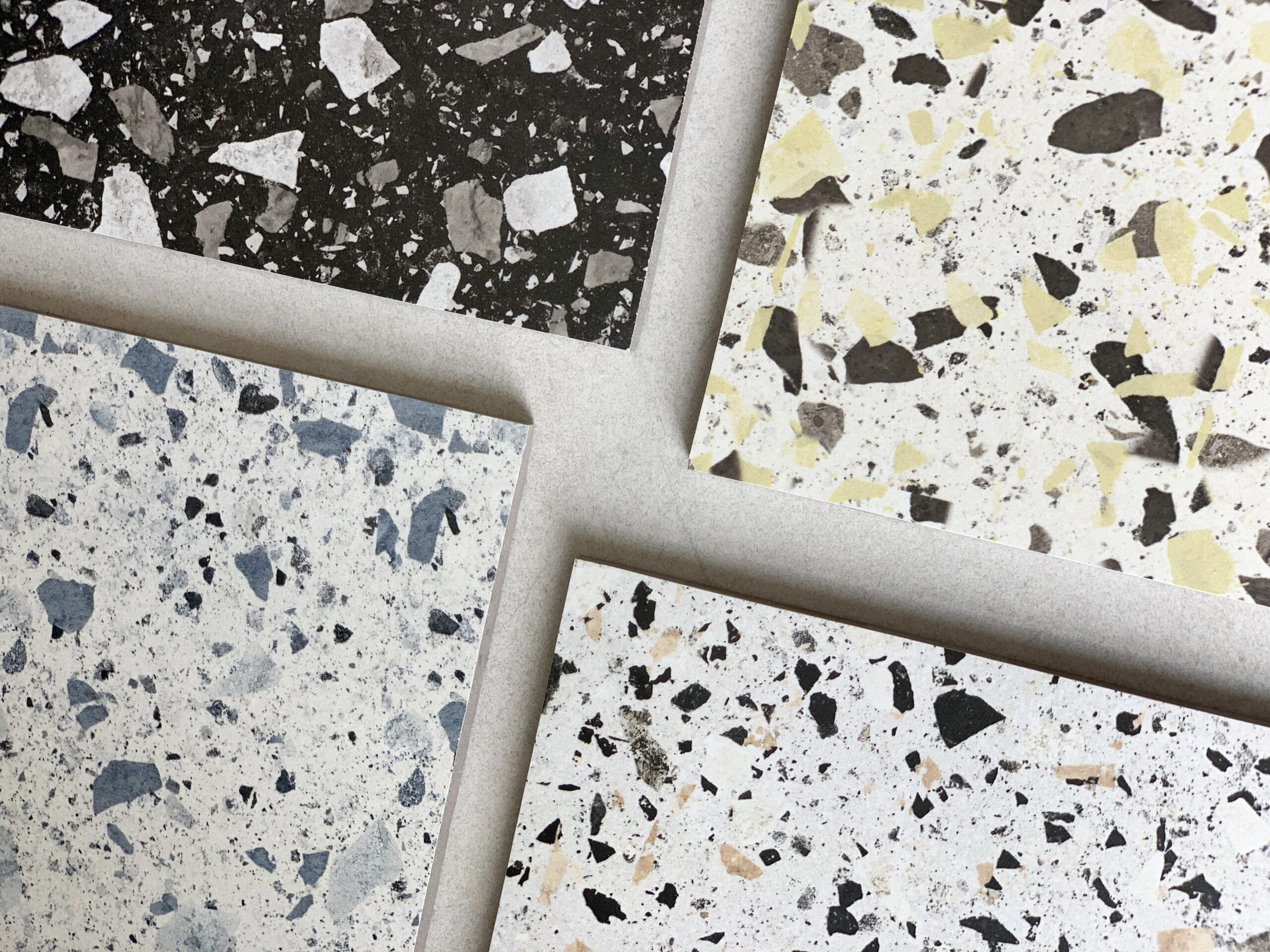
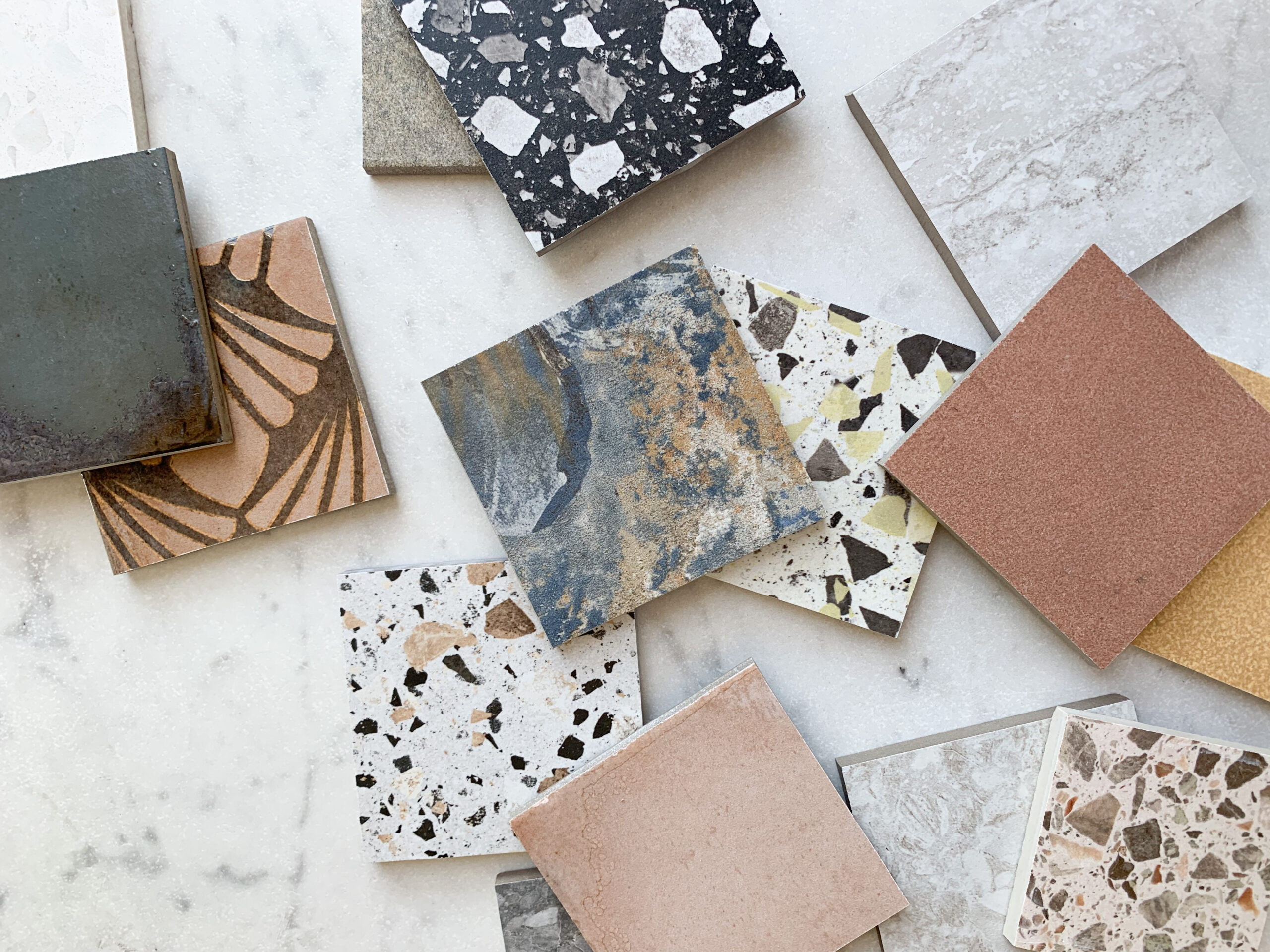
Wondering how to choose a kitchen splashback colour? Start with tile samples. Artificial and natural light, as well as the shadows cast by overhanging cupboards, can drastically affect how colours appear in your space. That’s why Elegance Tiles offers affordable samples delivered to your door so that you can test options in your actual environment. Choose a few tones in a similar colour range to see which one best suits your kitchen’s light and style.
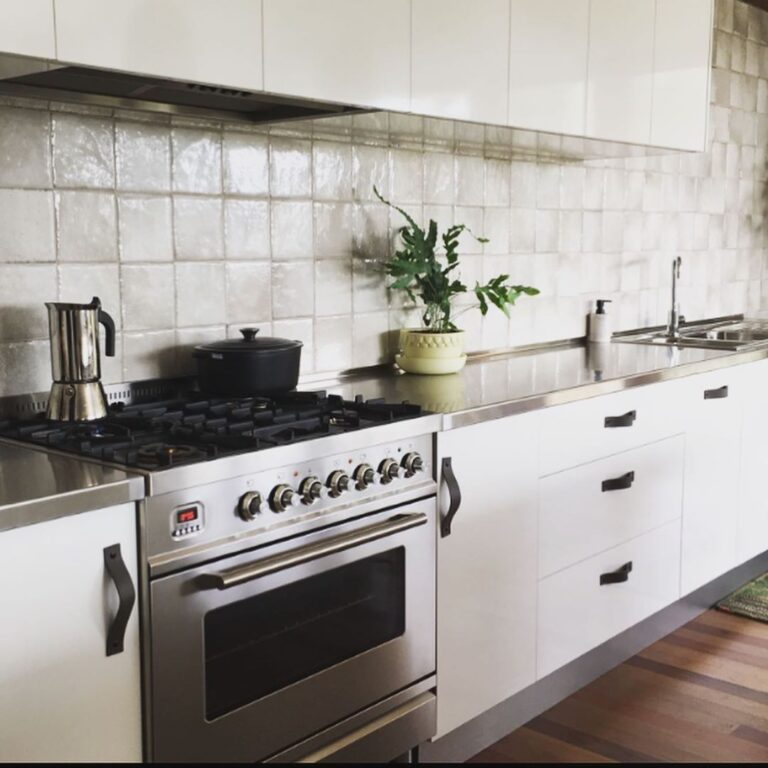
6. Layout, patterns & textures
If you prefer a subtle look but still want an element of interest, incorporating texture or laying your tiles in unique arrangements can do just the trick when exploring kitchen splashback ideas.
Laying subway tiles in a herringbone pattern is a great twist on the traditional look. Playing this up by using a darker, contrasting grout will further accentuate the shape and pattern of the tiles. Or, to really experiment and position your splashback as a decorative centrepiece, adding patterned tiles is a great way to showcase your unique style. Other popular laying patterns to consider include:
- Stacked (or grid): Creates clean, modern lines perfect for contemporary kitchens by arranging kitchen splashback tiles in a uniform setting.
- Brick bond (offset): A classic tile layout that works beautifully in traditional and transitional spaces by laying out each row of tile off-centre from the previous.
- Chevron: Similar to herringbone but with tiles cut at an angle for a more dramatic zigzag effect
- Vertical stack: Elongates your space and creates a sense of height
- Basket weave: Pairs rectangular tiles to create a woven appearance, ideal for adding character
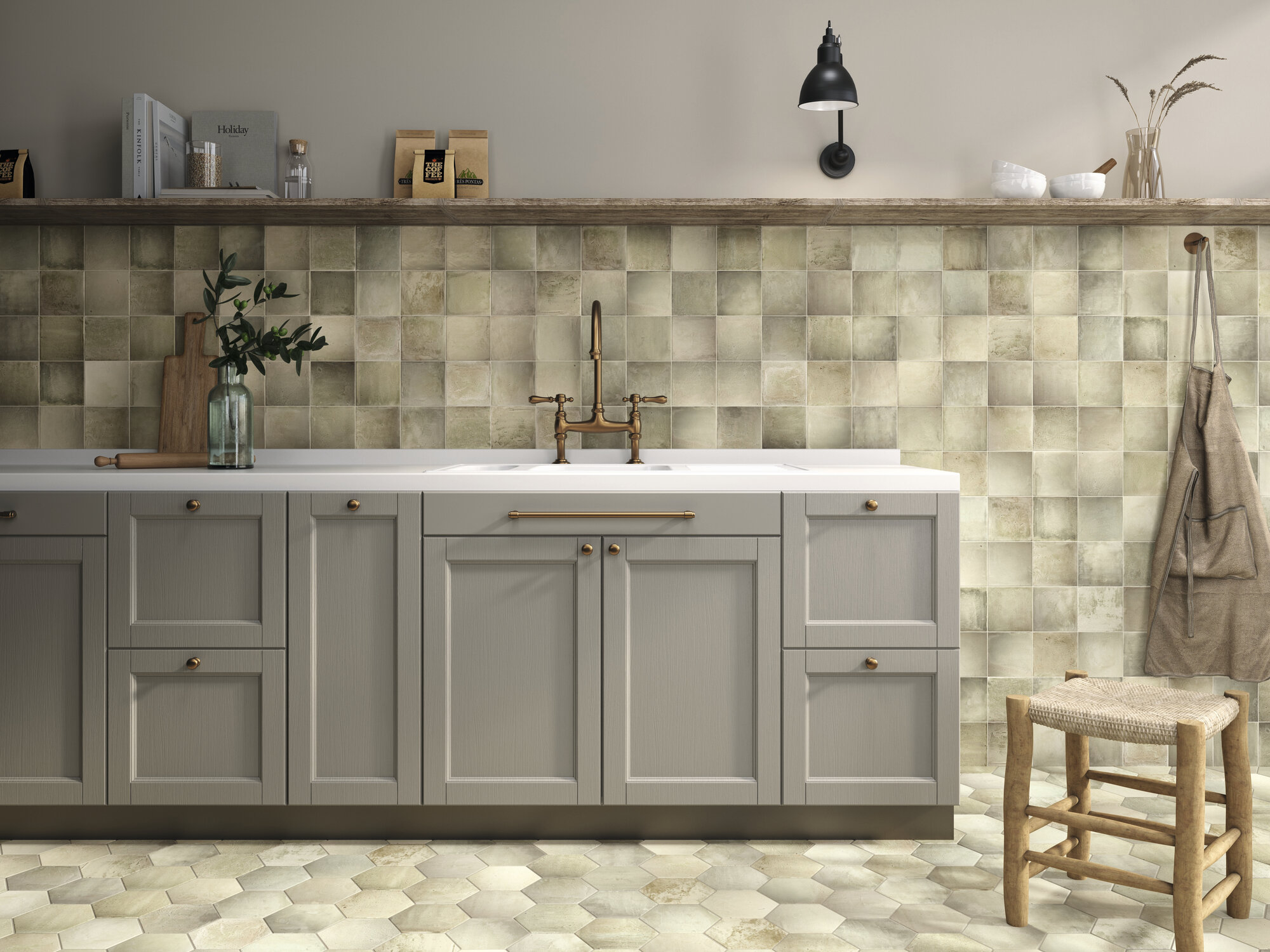
Achieve your ideal kitchen splashback with Elegance Tiles
Whether you’re updating your kitchen to the latest trends or planning your kitchen design for a new build, the right kitchen splashback tile ideas can transform your space from ordinary to a focal point you want to show off. And remember, even the smallest changes, like switching up your tile pattern or introducing a pop of colour, can breathe new life into your kitchen without breaking the bank.
Ready to make a functional finish into a standout design piece? Browse our entire collection online or at our showrooms and discover hundreds of ideas for kitchen tiles and splashbacks that suit your style and budget. We’ve sourced our pieces from top suppliers in Spain, Italy, Brazil and the UAE to ensure you can enjoy your kitchen splashback for years to come.